Legacy Planning & Structure

A Trust Is Not Enough If It’s Never Funded

Many families feel an enormous sense of relief once they sign the estate planning documents.

Funding a trust is what turns signed estate planning documents into a plan your family can actually rely on.

The meetings are over.
The paperwork is complete.
The trust exists.
The binder is on the shelf.

It feels finished.

But often, it is not.

One of the most common and most expensive failures in legacy planning is this: the family creates the trust, but the trust never gets funded.

And a trust that is never funded may look impressive on paper while failing where it matters most.

That is why I often say this as plainly as possible:

A trust that is not funded is like a car without gas.

It may be beautifully built. It may have the right name on the title. It may look like you are ready to go.

But it will not take your family where they thought it would.

What Funding a Trust Actually Means

When people hear the word funding, they often think it means adding money to the trust in some extra or optional way.

That is not what this means.

Funding a trust means connecting the right assets to the trust so the trust can actually govern, protect, and direct them the way you intended.

That may include retitling certain accounts.

It may include changing ownership on property.

It may include aligning beneficiary designations.

It may include reviewing what passes through the trust, what passes outside of it, and whether those paths still match your goals.

The trust document by itself does not automatically move everything into place.

That is the mistake families make.

They assume the document did the work.

In reality, the document created the structure.

The funding is what makes the structure operational.

Why Funding a Trust Fails So Often

This is not usually a failure of desire.

Most families do want the trust to work.

The problem is structural.

Traditional estate planning is often built like a transaction: draft, sign, file.

Once the documents are signed, the family leaves with a sense of completion. But the work of implementation often gets handed back to them in the form of a memo, a checklist, or vague instructions to follow up with institutions later.

And that is where things start to drift.

Life gets busy.

The details get technical.

The family assumes they will circle back.

No one coordinates the whole picture.

And little by little, the gap grows between what the documents say and how the assets are actually positioned.

That gap is where a lot of legacy plans quietly fail.

What Can Go Wrong When a Trust Is Not Funded

If assets are not aligned correctly, several things can happen.

Assets you expected to avoid probate may still go through probate.

Beneficiary designations may override the trust entirely.

Property may pass in ways that do not reflect your actual wishes.

Delays can emerge right when the family needs clarity.

Some assets may become public through processes you assumed would stay private.

Other assets may be frozen or harder to access than anyone expected.

And perhaps most frustrating of all, the family may discover that the exact problem they thought they paid to avoid is still sitting there waiting for them.

That is not a small technicality.

That is the difference between a plan that works and a plan that only looked complete.

Two Common Examples Families Miss

The first common problem is real estate.

A family creates a trust but never retitles the real estate into the name of the trust. That means the home or other property may still trigger probate at death, even though the trust exists.

The family assumed the trust would protect the property.

But the ownership never changed.

The second common problem is beneficiary designations.

Retirement accounts and life insurance often pass according to the named beneficiaries on file, not according to whatever the trust or will says.

So if those designations are outdated, incomplete, or inconsistent with the rest of the plan, the assets can go somewhere very different from what the family assumed.

That means a person can have a carefully drafted plan and still experience a major mismatch between intention and reality.

That is why asset alignment matters so much.

Why Families Should Think of This as Activation, Not Administration

One of the reasons families neglect trust funding is that it feels like boring administrative cleanup.

It is not.

It is activation.

This is the point where your plan starts becoming real.

This is where your intentions move out of theory and into implementation.

This is where your trust stops being a legal concept and starts becoming a working structure your family can actually rely on.

That shift matters.

Because legacy planning is not just about having the right ideas.

It is about making sure those ideas are connected to the real assets, the real people, and the real outcomes they are meant to guide.

Why Funding a Trust Matters Beyond Death

Families often think of trust funding only in terms of what happens after death.

But this matters during life too.

Legacy planning is not only about transferring assets once you are gone.

It is also about making sure your structure is usable, coherent, and supportive as life changes.

If your documents say one thing, your titles say another, your beneficiaries say something else, and your family has never seen how it all fits together, that confusion does not only show up later.

It creates fragility now.

The more your family grows, the more your assets shift, and the more life evolves, the more important alignment becomes.

Why Attorneys Alone Often Cannot Solve This

This is another place families benefit from more honesty.

Most attorneys are not built to quarterback every piece of the family’s balance sheet, beneficiary designations, financial accounts, and implementation follow-through.

That is not an attack. It is simply the structure of the industry.

They may draft excellent documents.

But the family still has to gather information, coordinate accounts, follow through with institutions, and ensure that ownership and designations are aligned with the legal plan.

That is why families need more than signed documents.

They need a system for activation.

They need someone helping them connect the structure to the real world.

A Better Way to Think About Your Plan

Instead of asking, “Do I have a trust?” ask better questions.

Which assets are actually connected to it?

Which assets still sit outside it?

Which properties have been retitled?

Which beneficiary designations have been reviewed recently?

Are the legal documents, account ownership, and family intentions all pulling in the same direction?

If something happened tomorrow, would the trust do what I think it would do?

That is the level of clarity families need.

Because what hurts families is rarely just the absence of documents.

It is the false confidence that comes from believing the documents alone were enough.

The Real Goal: A Plan That Works in Practice

A trust should not merely exist.

It should function.

It should reflect your wishes in practice, not just on paper.

It should reduce confusion, not create it.

It should help your family avoid unnecessary delay, exposure, and conflict.

And it should be aligned with the life you actually built, not the one your documents assume you built years ago.

That is what funding makes possible.

Without it, a trust is often just a promise.

With it, a trust becomes usable.

Families work too hard to leave the most important part unfinished.

So yes, create the trust.

But do not stop there.

Because a trust is not enough if it is never funded.

Funding a trust is missed more times than most folks would believe. If you are not sure how to fund your trust or ensure your trust is funded we can help with that in a few ways. 

The Legacy Lock Toolkit includes a tool designed specifically to help you go through all of your assets to ensure they are included in your trust the way you intended. Learn more about the Legacy Lock Toolkit here.

Lump Sum, Staged, or Protected? How to Choose the Right Distribution Strategy for Each Beneficiary

One of the biggest mistakes families make in legacy planning is assuming that fairness always means sameness.

It does not. That is why having a good distribution strategy matters so much.

A loving plan is not always a simple plan. And an equal distribution is not always a wise one.

Some beneficiaries are ready for responsibility. Others need structure. Some inheritances should create opportunity quickly. Others should be paced, protected, or filtered through safeguards that preserve both the assets and the person receiving them.

It is not just about who gets what.

It is about how your legacy lands.

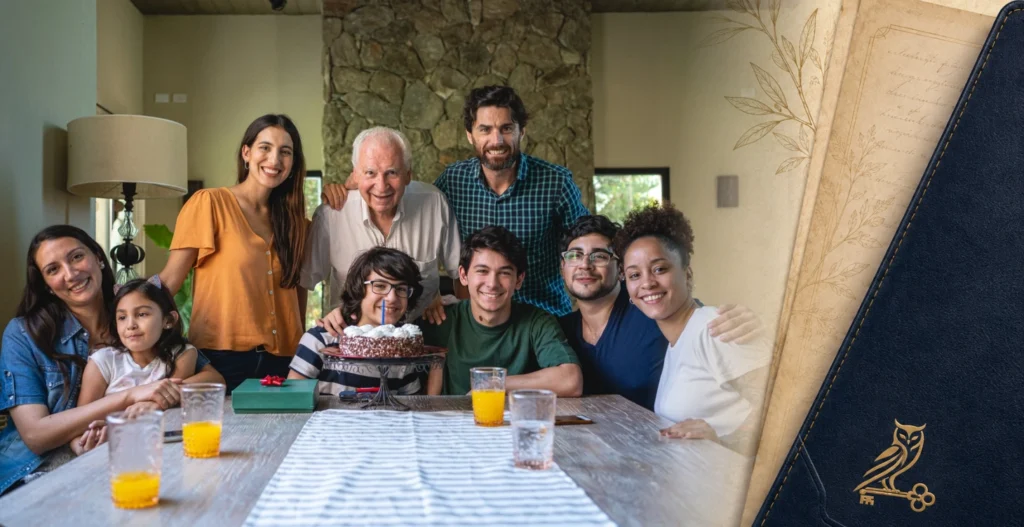
Older adult gathered with family, representing different beneficiary needs and possible distribution strategy options.

Most Families Default Without Realizing It

When many people think about inheritance, they picture a simple handoff.

The assets are divided. The money is distributed. Everyone receives their share. The process is finished.

That may sound clean. It may even sound fair.

But simple is not always aligned.

Because every beneficiary is different.

One adult child may be financially mature, steady, and fully able to handle a lump sum.

Another may be walking through debt, divorce, addiction recovery, immaturity, emotional volatility, or a season of life where sudden access to money would not actually help them.

One family member may benefit from flexibility.

Another may need guardrails.

One may be able to build from an inheritance.

Another may unintentionally burn through it, lose it, or become more vulnerable because of it.

That is why distribution strategy is not just a technical choice.

It is a stewardship choice.

Your Goal Is Not Speed. It Is Fit.

A good distribution strategy is not about finding the fastest way to move money.

It is about finding the right structure for the right person.

That means asking better questions.

What would truly help this beneficiary?

What would protect them?

What would support growth without creating harm?

What would preserve your intentions if life gets complicated?

What would still feel wise five years from now, not just emotionally satisfying today?

Those questions change everything.

Because inheritance is never just financial.

It is emotional. Relational. Developmental. Sometimes even spiritual.

The way wealth is transferred can strengthen a person, distort a person, stabilize a family, or create tension that lasts for years.

That is why thoughtful families slow down here.

The Most Common Distribution Strategies

There is no single perfect distribution strategy for every family. But there are patterns that help people think more clearly.

Lump Sum

This is the cleanest and most straightforward option.

The beneficiary receives the inheritance in full at a triggering event, often death or a certain age.

People choose this because it is simple. It communicates trust. It avoids complexity.

And for the right person, it may be exactly right.

But it also carries risks.

A sudden inheritance can create pressure, poor decision-making, creditor exposure, divorce exposure, and what some families only recognize too late: sudden wealth without preparation.

Lump sum works best when the beneficiary is already steady, thoughtful, and financially responsible.

It is not automatically the most loving option just because it feels the least restrictive.

Staged by Life Event

Some families want the inheritance connected to meaningful milestones.

Graduation. Marriage. Childbirth. Business launch. Home purchase.

This approach can feel values-aligned because it ties support to important moments.

But it also requires caution.

Life does not unfold the same way for everyone. Some milestones may never happen. Others may happen later than expected. And overly rigid language can accidentally create confusion, resentment, or disputes.

This strategy works best when the family is clear about the intent behind it and avoids turning the trust into a scoreboard for one “correct” life path.

Staggered Payouts by Age

This is one of the more common middle-ground options.

A beneficiary might receive one-third at 25, one-third at 30, and the rest at 35.

Families like this because it slows access, gives time for maturity, and avoids handing everything over at once.

That can be useful.

But age is not the same as readiness.

Some people are grounded at 24. Others are reckless at 44.

Age-based distribution can be helpful, but it should not be treated as a perfect proxy for wisdom.

Income Only

In this structure, the principal stays protected while the beneficiary receives only the income produced by the assets.

This is often useful when long-term protection matters more than full access.

It can make sense for special-needs situations, long-term family protection, or circumstances where preserving the principal is part of the goal.

The tradeoff is flexibility.

Income-only structures may feel too restrictive if the beneficiary has legitimate bigger needs that cannot be met through income alone.

Dated Installments

This approach creates a regular flow rather than a full release.

Monthly. Quarterly. Annually.

Families often choose this because it mimics income and helps create pacing.

For some beneficiaries, that consistency is stabilizing.

But it can also feel rigid if life presents a major opportunity or urgent need that does not fit neatly inside the schedule.

Percentage-Based Distributions

This option allows the beneficiary to receive a defined percentage of income or principal over time.

It can adapt somewhat as the trust grows or changes, which some families appreciate.

But it also introduces unpredictability if returns fluctuate or the percentage is set too aggressively.

Long-Term Protective Structures

Some families want the inheritance to serve not just one beneficiary, but a longer arc of protection.

That may look like dynasty-style planning, a personal endowment structure, charitable layers, emergency clauses, or a trust that stays in place to preserve the assets across more than one generation.

These structures are not for everyone.

But for the right family, they can turn inheritance from a one-time event into a long-term expression of purpose.

The Better Question Is Not “What’s Standard?”

Families often ask what most people do.

That is understandable. People want a familiar answer.

But standard is not the goal.

Aligned is the goal.

A standard answer may ignore addiction risk, family tension, blended family realities, disability, immaturity, or the simple fact that the people you love are not all wired the same way.

Your plan does not need to look standard to be loving.

It needs to reflect reality.

Protection Is Not Punishment

This is one of the most important mindset shifts in all of legacy planning.

Structure is not the same as distrust.

Protection is not punishment.

A beneficiary who receives support gradually is not necessarily being judged. In many cases, they are being cared for wisely.

A trust that limits access in certain situations is not necessarily cold. It may be deeply compassionate.

Thoughtful distribution strategy says:

I know you.

I care about what this wealth does in your life.

I want this inheritance to help, not harm.

That is a very different spirit than control.

And families need that distinction, because too many people assume that anything other than immediate access must mean favoritism, fear, or lack of love.

It does not.

Sometimes the most protective plan is the most thoughtful expression of love available.

Every Beneficiary Is Different

This is where legacy planning becomes deeply human.

One beneficiary may need freedom.

Another may need pacing.

One may be trustworthy but vulnerable to outside pressure.

Another may be responsible in daily life but not prepared for the emotional effect of inheritance.

One may need long-term support.

Another may need short-term opportunity.

That is why one-size-fits-all inheritance planning is often too blunt.

A stronger plan asks not only who should benefit, but what kind of benefit is actually wise.

A Good Distribution Plan Also Reduces Future Conflict

Families often think distribution strategy is mainly about the beneficiary.

It is not.

It also helps the trustee.

The clearer your structure, the more support the trustee has when questions or pressure arise later.

If expectations are vague, the trustee gets pulled into interpretation battles.

If the structure is thoughtful and clearly grounded, the trustee has something steadier to follow.

That protects the family as well.

Because many inheritance conflicts are not just about money.

They are about ambiguity.

If this made you realize that not every beneficiary should receive the same structure, that is the point.

The Distribution Strategies Guide inside the Legacy Lock Toolkit walks you through the most common inheritance approaches, including lump sum, staggered payouts, life-event distributions, income-only structures, emergency clauses, charitable strategies, and more, so you can think clearly before legal language gets written.

And if you are still in the early stage of sorting through these questions, Aging With Clarity is the right place to start. It gives you calm, practical guidance for the conversations families usually delay until life gets harder.

Get the Legacy Lock Toolkit
Join the Free Community

The 3WHY Strategy: Four Questions That Bring Clarity to Your Legacy Plan

Most families do not struggle with legacy planning because they are lazy.

They struggle because they are trying to answer complicated legal and estate planning questions before they have answered the human ones.

They walk into an attorney’s office with partial information, unspoken assumptions, unclear roles, and good intentions that have never been organized into a real plan.

That is why I built the 3WHY Strategy.

Despite the name, what this process does best is bring families through four clarifying questions in the right order, so they can stop reacting and start thinking clearly.

It is not a legal lecture.

It is not a stack of jargon.

It is a framework for seeing what matters, naming what is unclear, and creating the kind of clarity that makes every next decision better.

Woman thinking through estate planning questions using the 3WHY Strategy.

Why This Estate Planning Strategy Matters

A confusing plan usually does not start as a legal failure.

It starts as a thinking failure.

People are not sure what they own.

They are not sure how those assets are titled.

They have never really talked through who should benefit, how those beneficiaries should receive support, or who is realistically prepared to step in if something changes.

Then life gets busy. Or uncomfortable. Or emotional.

And the questions get delayed until a crisis forces them.

The 3WHY Strategy slows that whole process down.

It gives families a place to start before documents are drafted, before emotions are high, and before assumptions harden into conflict.

Question 1: What Do I Own, and How Is It Owned?

This is where clarity begins.

Most people know, in a broad sense, what they have. Fewer people know exactly how those assets are owned today.

That distinction matters.

Your home may be yours, but is it owned individually, jointly, or in trust?

Your accounts may exist, but are the beneficiary designations current?

A business interest may be valuable, but has it been coordinated with the rest of the plan?

Even heirlooms, family property, and personal stories belong in this conversation because legacy is bigger than a balance sheet.

The first question forces you to look at reality, not assumptions.

What do I own?

How is it titled?

Does that ownership actually align with what I want to happen?

That one step alone reveals more confusion than most families expect.

Question 2: Who Should Benefit, and What Do They Need?

The second question sounds simple until you sit with it long enough.

Most people can name their beneficiaries quickly.

Children. Grandchildren. A spouse. A sibling. A charity. Maybe even a pet or a cause that matters deeply.

But naming beneficiaries is not the same as planning well for them.

A thoughtful plan asks deeper questions.

Does this person need special structure?

Are there concerns involving debt, disability, divorce, addiction, immaturity, or family complexity?

Would a lump sum help them, or harm them?

Would flexibility matter more than equality?

What am I really trying to leave behind: money, opportunity, protection, meaning, peace?

This is where legacy planning becomes more human.

You stop asking, “Who gets what?”

And start asking, “What would actually serve them well?”

That is a much better question.

Question 3: Who Is in Charge, Really?

This is the question families most often answer too casually.

They name someone because they love them.

Or because they are oldest.

Or because it feels obvious.

But being trustworthy and being prepared are not the same thing.

The third question asks:

Who would handle financial decisions?

Who would handle health care decisions?

Who would manage day-to-day logistics if life changed quickly?

Are they willing?

Are they able?

Are they aware?

Are they actually named in the documents?

Is there a backup plan?

Are they emotionally and practically ready for the pressure that role brings?

That is not a small conversation. It shapes everything.

A trustee, executor, or decision-maker does not just need affection. They need integrity, steadiness, communication skills, and the humility to ask for help when needed.

The best plans do not merely assign authority. They prepare the people who may one day carry it.

Question 4: What About Me If I’m Still Here?

This is the question most legacy plans avoid.

And it is the question that changes everything.

What happens if you are still alive, still legally competent, but no longer doing your best thinking?

Who will notice if your judgment begins to shift?

Who do you want helping you if memory or decision-making starts to change?

Have you documented when someone can step in, or are you assuming your family will just “know”?

What would peace of mind actually look like in that season?

This is where the 3WHY Strategy moves from ordinary planning into the territory most families have never been guided through.

Because death is not the only transition a family needs to prepare for.

There is also the quiet phase.

The in-between phase.

The gray zone where support may be needed before a court, doctor, or emergency forces the issue.

When families answer this question honestly, they stop leaving the hardest season to chance.

Why These Four Questions Work

These questions work because they move in a sane order.

They begin with reality.

Then relationships.

Then responsibility.

Then vulnerability.

By the end of the process, families usually know more than they expected to know.

They see gaps.

They notice assumptions.

They recognize which conversations have been postponed too long.

And most importantly, they stop treating legacy planning like a one-time document event and start treating it like thoughtful stewardship.

What Comes After these Estate Planning Questions

After these four questions are answered, the next layer becomes much easier.

That is where the “how” begins to matter.

How should beneficiaries receive support?

All at once?

In stages?

Over time?

With oversight?

With flexibility?

How should a trustee be supported?

How should assets be aligned?

How should the family be informed?

How should the plan be communicated so loved ones are not left guessing?

But notice this: those questions are only useful after the first four are clear.

That is why the 3WHY Strategy matters so much.

It gives the rest of the plan a foundation.

Estate Planning Clarity Before Complexity

Families do not need more noise.

They need a better sequence.

That is what this strategy provides.

Before legal drafting.

Before technical design.

Before last-minute scrambling.

It helps people think.

Notice.

Write.

Clarify.

And once clarity is present, complexity becomes much easier to handle.

If estate planning feels foggy right now, that does not mean you have failed.

It probably means you need better questions before you need better documents.

That is what the 3WHY Strategy is designed to give you.

Four questions.

A calmer process.

And a legacy plan built with more intention than fear.

The 3WHY Strategy is explained, shown, and available to guide you through in a strategic and structural fashion within the Legacy Lock toolkit. You can immediately access this training and the complimentary tools within the Legacy Lock Toolkit. Learn more about the Legacy Lock Toolkit and see if this is right for you here.

Why the Legacy Lock Trust Exists

Most people think the greatest threat to their legacy will come after death.

They assume the danger is probate, taxes, bad investments, or family conflict once they are gone. Those things matter. But after nearly four decades of working with families, I have seen something else matter just as much, and often more.

The greatest risk to a family’s legacy often begins while someone is still alive.

Not after death. Not after a legal declaration of incapacity.

Before that.

It begins in the quiet, in-between season when judgment starts to shift, but legal authority has not. When the person still has every right to make decisions, but those decisions no longer reflect the same steadiness, values, and patterns they lived by for years.

That is why the Legacy Lock Trust exists.

This Did Not Start as a Product

I started in the financial services business before I was even old enough to legally hold a securities license. I grew up watching my own family, good people, educated people, mostly loving people, struggle with money. When my parents argued, money was often at the center of it. I wanted to understand why.

They played by the rules. They did what they were told to do. And still, it seemed like there had to be a better way.

So I went looking for one.

Over the years, I became a Certified Financial Planner, co-built a financial advisory firm, and worked with thousands of families through retirement, illness, loss, transition, and all the decisions that shape what people leave behind. I saw beautiful plans on paper. I saw legal documents signed correctly. I saw families who did “everything right.”

And I also saw those same families get blindsided.

Not always by markets. Not always by taxes. Not always by death.

Often by a slow change no one quite knew how to name.

The Problem Most Families Miss

The people I served were often in their fifties, sixties, and seventies when we first met. Many of them felt like parents and grandparents to me. They had built lives worth admiring. They had worked hard. They had raised families. They had values. They had discipline.

And then, over time, I watched something subtle happen.

They did not suddenly become incompetent.

They did not collapse.

They did not wake up one day unable to function.

They simply changed.

A little more rigid. A little more reactive. A little less flexible. More easily wounded. More emotionally driven in moments that once would have passed quietly. Sometimes they even sounded more certain, more forceful, more convinced than before.

That is part of why families miss it.

The change can be real without being dramatic. It can matter deeply without looking like a medical emergency.

I did not always have language for that. Now I do.

I call it decision drift.

How Financial Dignity Gets Lost

When I talk about protecting financial dignity, I am not just talking about avoiding fraud. I am talking about protecting the ability to make decisions that still reflect your lifetime values.

In my experience, financial chaos almost always traces back to three areas:

Spending.
Investing.
Giving.

That is where things start to go sideways.

I have watched careful people overspend in ways that made no sense. I have watched others become so fearful that they underspent to the point of neglecting their own comfort and care.

I have watched disciplined investors suddenly take reckless risks. I have watched anxious people pull out at the worst possible moment and lock in losses they never recovered from.

I have watched thoughtful givers begin making major gifts based on emotion, pressure, or a passing story rather than a long pattern of conviction.

I have watched beneficiaries get changed in moments of hurt.

I have watched permanent decisions get made inside temporary emotional states.

And none of that required a diagnosis.

That is the part too many systems ignore.

The Gray Zone Changes Everything

Our legal and financial systems are built to respond to extremes. They know what to do if someone dies. They know what to do if someone is declared incapacitated. They know what to do if a court steps in.

But most family damage does not begin there.

It begins in the gray zone.

That space between “perfectly fine” and “clearly impaired.”

That space where something is off, but not off enough to trigger formal intervention.

That space where the family feels it, but does not know how to talk about it.

That space where children do not want to embarrass a parent, parents do not want to feel controlled, and professionals are often limited in what they can do.

The result is predictable. Everyone waits too long.

By the time the checkbook is taken away, the damage is already done.

Estate Planning and Legacy Planning Are Not the Same

This is where I believe families need a new category.

Estate planning is necessary. It matters. But estate planning is largely designed to answer one question: what happens after I die?

Legacy planning asks a different question: how do I preserve my values, my dignity, my relationships, and my intentions while I am still alive?

That is a completely different conversation.

Estate planning prepares you to die.

Legacy planning prepares you to live well, and hand things off well.

The Legacy Lock Trust was built on that distinction.

It was not designed to be a prettier document or a more impressive binder.

It was designed to solve for the problem I kept seeing repeated: people needed support before a crisis, not only after one.

What Makes the Legacy Lock Trust Different

At its core, the Legacy Lock Trust exists to protect financial dignity during life, not just distribute assets after death.

That means it is built to introduce thoughtful guardrails into the gray zone.

It creates a structure for oversight without humiliation.

It creates a path for support without forcing a sudden loss of voice.

It asks better questions about who should be involved, when help should increase, and how decisions should be evaluated when emotions are high and judgment may be narrowing.

It recognizes that one of the most loving things a person can do is protect their future self from a bad season, a reactive decision, or a moment of hurt.

This is not about taking power away.

It is about putting wisdom around power while you still have the clarity to do it.

Why This Matters So Much to Me

I have sat with widows who discovered the damage after the fact.

I have sat with adult children who stopped speaking to one another because there was no structure for what happened in the years before incapacity.

I have sat with people who knew something was changing but had no language, no plan, and no dignified way to respond.

That is why Legacy Lock exists.

Aging With Clarity gives families language.

The Toolkit gives them structure.

The Legacy Lock Trust gives those intentions something stronger than good hopes.

It gives them design.

If you value your independence, do not wait until a crisis forces someone else to define what help looks like.

Decide it while you are clear.

Build it while you still have your full voice.

Protect your future relationships while you still have the chance.

That is why the Legacy Lock Trust exists.

If you would like to learn more about the Legacy Lock Trust please visit this page.