Trustees, Family & Communication

A Trust Is Not Enough If It’s Never Funded

Many families feel an enormous sense of relief once they sign the estate planning documents.

Funding a trust is what turns signed estate planning documents into a plan your family can actually rely on.

The meetings are over.
The paperwork is complete.
The trust exists.
The binder is on the shelf.

It feels finished.

But often, it is not.

One of the most common and most expensive failures in legacy planning is this: the family creates the trust, but the trust never gets funded.

And a trust that is never funded may look impressive on paper while failing where it matters most.

That is why I often say this as plainly as possible:

A trust that is not funded is like a car without gas.

It may be beautifully built. It may have the right name on the title. It may look like you are ready to go.

But it will not take your family where they thought it would.

What Funding a Trust Actually Means

When people hear the word funding, they often think it means adding money to the trust in some extra or optional way.

That is not what this means.

Funding a trust means connecting the right assets to the trust so the trust can actually govern, protect, and direct them the way you intended.

That may include retitling certain accounts.

It may include changing ownership on property.

It may include aligning beneficiary designations.

It may include reviewing what passes through the trust, what passes outside of it, and whether those paths still match your goals.

The trust document by itself does not automatically move everything into place.

That is the mistake families make.

They assume the document did the work.

In reality, the document created the structure.

The funding is what makes the structure operational.

Why Funding a Trust Fails So Often

This is not usually a failure of desire.

Most families do want the trust to work.

The problem is structural.

Traditional estate planning is often built like a transaction: draft, sign, file.

Once the documents are signed, the family leaves with a sense of completion. But the work of implementation often gets handed back to them in the form of a memo, a checklist, or vague instructions to follow up with institutions later.

And that is where things start to drift.

Life gets busy.

The details get technical.

The family assumes they will circle back.

No one coordinates the whole picture.

And little by little, the gap grows between what the documents say and how the assets are actually positioned.

That gap is where a lot of legacy plans quietly fail.

What Can Go Wrong When a Trust Is Not Funded

If assets are not aligned correctly, several things can happen.

Assets you expected to avoid probate may still go through probate.

Beneficiary designations may override the trust entirely.

Property may pass in ways that do not reflect your actual wishes.

Delays can emerge right when the family needs clarity.

Some assets may become public through processes you assumed would stay private.

Other assets may be frozen or harder to access than anyone expected.

And perhaps most frustrating of all, the family may discover that the exact problem they thought they paid to avoid is still sitting there waiting for them.

That is not a small technicality.

That is the difference between a plan that works and a plan that only looked complete.

Two Common Examples Families Miss

The first common problem is real estate.

A family creates a trust but never retitles the real estate into the name of the trust. That means the home or other property may still trigger probate at death, even though the trust exists.

The family assumed the trust would protect the property.

But the ownership never changed.

The second common problem is beneficiary designations.

Retirement accounts and life insurance often pass according to the named beneficiaries on file, not according to whatever the trust or will says.

So if those designations are outdated, incomplete, or inconsistent with the rest of the plan, the assets can go somewhere very different from what the family assumed.

That means a person can have a carefully drafted plan and still experience a major mismatch between intention and reality.

That is why asset alignment matters so much.

Why Families Should Think of This as Activation, Not Administration

One of the reasons families neglect trust funding is that it feels like boring administrative cleanup.

It is not.

It is activation.

This is the point where your plan starts becoming real.

This is where your intentions move out of theory and into implementation.

This is where your trust stops being a legal concept and starts becoming a working structure your family can actually rely on.

That shift matters.

Because legacy planning is not just about having the right ideas.

It is about making sure those ideas are connected to the real assets, the real people, and the real outcomes they are meant to guide.

Why Funding a Trust Matters Beyond Death

Families often think of trust funding only in terms of what happens after death.

But this matters during life too.

Legacy planning is not only about transferring assets once you are gone.

It is also about making sure your structure is usable, coherent, and supportive as life changes.

If your documents say one thing, your titles say another, your beneficiaries say something else, and your family has never seen how it all fits together, that confusion does not only show up later.

It creates fragility now.

The more your family grows, the more your assets shift, and the more life evolves, the more important alignment becomes.

Why Attorneys Alone Often Cannot Solve This

This is another place families benefit from more honesty.

Most attorneys are not built to quarterback every piece of the family’s balance sheet, beneficiary designations, financial accounts, and implementation follow-through.

That is not an attack. It is simply the structure of the industry.

They may draft excellent documents.

But the family still has to gather information, coordinate accounts, follow through with institutions, and ensure that ownership and designations are aligned with the legal plan.

That is why families need more than signed documents.

They need a system for activation.

They need someone helping them connect the structure to the real world.

A Better Way to Think About Your Plan

Instead of asking, “Do I have a trust?” ask better questions.

Which assets are actually connected to it?

Which assets still sit outside it?

Which properties have been retitled?

Which beneficiary designations have been reviewed recently?

Are the legal documents, account ownership, and family intentions all pulling in the same direction?

If something happened tomorrow, would the trust do what I think it would do?

That is the level of clarity families need.

Because what hurts families is rarely just the absence of documents.

It is the false confidence that comes from believing the documents alone were enough.

The Real Goal: A Plan That Works in Practice

A trust should not merely exist.

It should function.

It should reflect your wishes in practice, not just on paper.

It should reduce confusion, not create it.

It should help your family avoid unnecessary delay, exposure, and conflict.

And it should be aligned with the life you actually built, not the one your documents assume you built years ago.

That is what funding makes possible.

Without it, a trust is often just a promise.

With it, a trust becomes usable.

Families work too hard to leave the most important part unfinished.

So yes, create the trust.

But do not stop there.

Because a trust is not enough if it is never funded.

Funding a trust is missed more times than most folks would believe. If you are not sure how to fund your trust or ensure your trust is funded we can help with that in a few ways. 

The Legacy Lock Toolkit includes a tool designed specifically to help you go through all of your assets to ensure they are included in your trust the way you intended. Learn more about the Legacy Lock Toolkit here.

How to Choose a Trustee Without Creating a Future Family Problem

When most families meet with an estate planning attorney, one of the questions sounds simple:

Who are you choosing as trustee?

The problem is that most families answer too quickly.

They name the oldest child.
Or the child who lives closest.
Or the one who seems the most organized.
Or the one who has always been the “responsible one.”
Or the person they love most.

And while all of those answers may feel natural, they are not always wise.

Because choosing a trustee is not just about affection. It is not even just about trust in the emotional sense. It is about choosing someone who can carry real weight under pressure, make difficult decisions fairly, communicate clearly, and protect the people and intentions you care about most.

That is a very different job than being a loving son, daughter, spouse, or sibling.

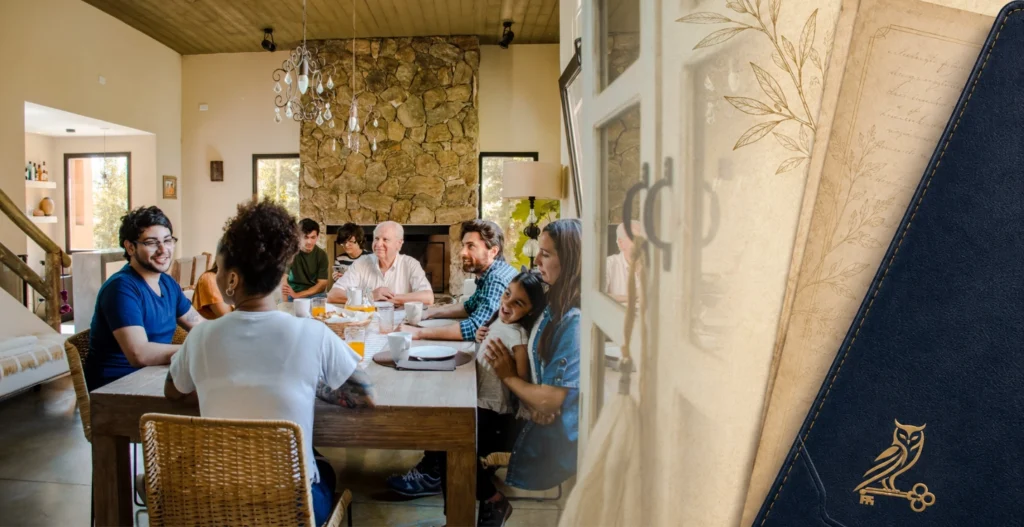
Older man with his family, representing how to choose a trustee without creating future conflict.

Why Choosing a Trustee Matters More Than Most Families Realize

A trustee is not a ceremonial title.

A trustee may need to manage assets, follow legal and tax responsibilities, communicate with beneficiaries, respond to conflict, handle unequal distributions, stay organized, and make judgment calls when emotions are already running high.

In other words, the trustee is not just holding paperwork.

They may be holding the emotional center of the family at one of the hardest moments in that family’s life.

That is why this decision shapes more than administration. It shapes outcomes.

A strong trustee can protect your plan, reduce confusion, and help your family stay grounded.

A poorly chosen trustee can turn even a good plan into a long season of strain, resentment, and second-guessing.

Why Choosing a Trustee Often Gets Treated Too Casually

Most families do not make a poor trustee choice because they are careless.

They make it because the question is usually framed too casually.

It gets treated like a form question instead of a leadership question.

Who do you want?
Who is first?
Who should go after you?

And just like that, one of the most consequential decisions in a legacy plan is reduced to instinct.

But a trustee role is not just about who you feel closest to.

It is about whether that person can actually do the job well.

Can they act impartially between beneficiaries?

Can they stay steady when one family member is grieving, another is angry, and another wants an exception?

Can they manage significant financial responsibility without becoming reckless, sloppy, or overwhelmed?

Can they communicate with both clarity and compassion?

Can they handle pressure without making things personal?

Those are the real questions.

Why the Most Loving Choice Is Not Always the Most Obvious One

This is where families often need the most honesty.

The child who loves you deeply may not be the right trustee.

In fact, the person most devoted to your care and well-being may be exactly the one you should think twice about placing in the middle of everything.

Why?

Because that person may already be carrying the heaviest emotional burden.

They may be the one sitting with you in doctors’ offices.
They may be the one managing family emotions.
They may be the one trying to preserve peace.
They may be the one people call first when something goes wrong.

Asking that same person to also interpret your wishes, manage money, communicate decisions, and withstand family tension can be too much.

Not because they are weak.

Because the role is heavy.

Sometimes families confuse love with suitability.

But the fact that someone loves you does not automatically mean they should be put in the most difficult seat at the table.

What a Trustee Actually Needs

A capable trustee usually needs more than good intentions.

They need a rare mix of qualities that not every good person possesses in the same measure.

They need integrity, of course.

But they also need judgment.

They need the ability to stay impartial when beneficiaries want different things.

They need enough financial maturity to respect records, compliance, taxes, and process.

They need enough emotional intelligence to explain decisions without escalating tension.

They need enough resilience to make a hard call even when someone is disappointed.

They need enough humility to seek professional help when the situation is bigger than their expertise.

And perhaps most importantly, they need to be willing.

That last part matters more than families often realize.

Many trustees are named without ever having a real conversation about the role.

A person may technically accept because they feel honored, guilty, or unable to say no. But that is not the same as true readiness.

A trustee who is unaware, uncertain, or privately overwhelmed does not help a family simply because their name appears in the documents.

Better Questions to Ask Before Choosing a Trustee

Instead of asking only, “Who do I trust?” try asking better questions.

Who is actually equipped to carry this role well?

Who can stay fair if beneficiaries disagree?

Who can follow my wishes even if their own emotions are strong?

Who can handle paperwork, process, and pressure without shutting down?

Who would seek help instead of pretending they know more than they do?

Who is willing, able, aware, and practically ready?

What challenges might affect them — distance, work obligations, health issues, existing family friction, or financial inexperience?

Is there a backup plan if they cannot serve?

Those questions do not make the decision harder.

They make it more honest.

Sometimes the Right Structure Is Not One Person

One of the most helpful shifts families can make is this:

Stop assuming the answer must be one person.

Sometimes a family member should not serve alone.

Sometimes a co-trustee structure makes more sense.

Sometimes a professional trustee should be involved.

Sometimes a financial professional or corporate trustee should be paired with a family member for balance.

Sometimes an oversight role or trust protector is wise.

Sometimes the structure for support during life should be different from the structure after death.

The point is not to force complexity for its own sake.

The point is to stop pretending that “just name a person” is enough for every family.

Some families need more support around the role than traditional planning ever acknowledges.

That is not failure. That is realism.

Why Choosing a Trustee Is Also a Family Relationship Decision

Choosing a trustee is never only about administration.

It affects family dynamics in ways people often do not see until much later.

When one child is named and others are not, meaning gets assigned.

When one sibling is placed in the middle of all financial decisions, tension often follows.

When a trustee has to say no to an early distribution, explain unequal treatment, or enforce a structure someone dislikes, the role can become deeply relational, not just technical.

This is why trustee planning should not happen in a vacuum.

The more a family avoids thinking clearly about the human side of the role, the more likely it becomes that the wrong person gets named for the wrong reasons.

And that mistake usually gets discovered at the worst possible time.

A Strong Trustee Relationship Starts Before the Crisis

One of the best things a family can do is have the conversation now.

Before the documents are final.

Before there is a death.

Before there is a medical event.

Before grief and stress take over.

That conversation should include expectations, responsibilities, the family structure, your wishes around distributions, what support is available, and what questions the person has about serving.

A good trustee conversation is not a formality.

It is part of the preparation.

It gives the person a chance to say yes honestly, say no honestly, or suggest a better structure before everyone is relying on assumptions.

That one conversation can prevent years of confusion later.

The Goal Is Not Simplicity. The Goal Is Stewardship.

A trustee decision should not be driven by what feels easiest in the moment.

It should be driven by what gives your family the best chance of clarity, fairness, and stability later.

That may still be a loved one.

But if it is, let that be because they are actually prepared for the role, not because no one slowed down long enough to ask harder questions.

Legacy planning is full of decisions families avoid because they do not want to make things awkward.

This is one of them.

But awkward now is much cheaper than conflict later.

Choosing a trustee well is one of the clearest acts of love a family can make.

Because sometimes the kindest thing you can do is not putting the person you love most in the middle of a role they were never meant to carry alone.

We have a few tools available for you to help you think through your Trustee appointment. Available for immediate download is our Trustee Guide. If you would like to go beyond the Guide, we also have a full training and comprehensive Trustee Appointment Worksheet within the Legacy Lock Toolkit. To learn more about the Legacy Lock Toolkit please click here.

The Family Conversation Most People Avoid Until It’s Too Late

Most people do not avoid legacy conversations because they do not care.

They avoid them because these type of family conversation feel loaded.

They do not want to sound controlling.
They do not want to upset the people they love.
They do not want to trigger conflict.
They do not want to talk about aging, decline, death, money, or who gets what.

So they postpone the conversation and tell themselves the documents will cover it.

But the documents do not cover all of it.

Because a trust can move assets.

It cannot explain your heart.

And that is the part most families discover too late.

Adult son having a family conversation with his father about legacy and planning.

Why Documents Alone Are Not Enough

Legal documents matter.

They help create structure, authority, and clarity around what should happen.

But they do not answer every human question the family will still carry.

Why did you choose this trustee?
Why did you structure things this way?
Why is one beneficiary receiving something different?
What did you want us to understand about this decision?
What would you want said in an emotional moment?
What did you hope this legacy would mean, not just financially, but personally?

When those questions go unanswered, the family is left to guess.

They guess what you meant.
They guess why you made a choice.
They guess what should be said to others.
They guess how to explain a hard decision in a painful moment.

That burden is heavier than most people realize.

Most People Think Communication Is Logistics. It Isn’t.

When people do think about family conversation, they often reduce it to the practical basics.

Where are the documents?
Who should call the attorney?
What account goes where?
Who is in charge?

Those things matter.

But legacy communication is much more than logistics.

Your family may need instructions, yes.

But they may also need context.

They may need reassurance.

They may need encouragement.

They may need to hear your voice one more time in a moment that matters.

They may need help understanding not just what you decided, but who you were trying to protect, what you valued, and how you hoped they would carry things forward.

That is why family conversation belongs inside legacy planning, not outside it.

The Conversation Most Families Wait Too Long to Have

The conversation most families avoid is not just “who gets what.”

It is the deeper conversation underneath it:

Here is what matters to me.
Here is why I made these choices.
Here is who I have asked to help.
Here is how I hope this supports the family.
Here is what I want you to know now, while I can still say it clearly.

That family conversation often gets delayed until something forces it — a diagnosis, an emergency, rising conflict, or a death.

By then, it is harder.

Emotions are higher.
Defensiveness is stronger.
Clarity is lower.
Time is shorter.

The conversation that could have felt thoughtful and grounding begins to feel reactive and painful.

That is why earlier matters.

Legacy Communication Is Not One Family Conversation

One of the biggest insights families miss is that legacy communication is not a single speech around the kitchen table.

It is many conversations for many people at many moments.

A beneficiary may need to know why you created the trust.

A trustee may need clarity and encouragement about the role you have asked them to serve in.

A spouse may need instructions for what to open now, what to wait to read later, and what you most want them to remember.

A child may need context around a choice that might otherwise feel personal.

A grandchild may receive a message meant for a milestone you can already see coming.

A family member may need an emergency letter if you are ever incapacitated.

A charity may need your intentions explained clearly.

A business partner or shareholder may need transition language that protects relationships as much as operations.

That is why legacy communication cannot be reduced to one generic family letter.

A family is too human for that.

Some Messages Are Practical. Some Are Deeply Personal.

This is where legacy planning becomes more than administration.

Some messages are practical.

They help explain what is happening, what role someone now carries, what documents matter, and how decisions should be understood.

Those messages reduce confusion.

But other messages are much more personal.

A child may need a private note that says something you found hard to say out loud.

A loved one may need a blessing, a reassurance, or even an apology.

A grandchild may one day receive a message tied to a graduation, a wedding, or another life milestone.

A future generation may receive a letter that passes down values, not just wealth.

That kind of communication does not just transfer information.

It transfers humanity.

And in many families, that is what people remember longest.

Why Silence Costs So Much

When families do not have this kind of communication, the consequences are usually not immediate paperwork errors.

They are relational.

The trustee feels alone.

The spouse feels unsure.

The children assign motives to decisions they do not understand.

A beneficiary interprets structure as rejection instead of protection.

A family conflict that could have been softened by context becomes sharper because no one has language for what was intended.

This is part of why good plans still fail emotionally.

The assets move.

But the meaning gets lost.

The instructions exist.

But the heart behind them does not.

That silence creates pain no legal document can fully solve afterward.

How to Start the Family Conversation Earlier

The goal is not to gather everyone and force one giant emotional summit.

The goal is to begin earlier, calmer, and more intentionally.

Start with purpose, not details.

You do not have to begin with, “Here is what everyone gets.”

You can begin with, “I want to make life easier on this family later.”

You can say, “I want to explain some of the thinking behind my plan while I still can.”

You can say, “I do not want you left guessing if something changes.”

You can say, “This is about clarity, not control.”

That changes the tone immediately.

Then move into the right layers.

Who is in charge if something changes?
What support is in place?
What should the family understand?
What conversations still need to happen?
What letters or messages should exist for the moments you can already anticipate?

The point is not perfection.

It is preparation.

Why Family Conversation Matters During Life, Too

Family conversations are not only about after death.

It also matters in the quiet phase of aging.

In that season, families often feel trapped between respect and concern.

They do not want to take away independence. But they also do not want to ignore what may be changing.

That is where earlier communication becomes a gift.

When expectations, values, roles, and wishes have already been discussed, a family can increase support more gradually and more respectfully.

They are not inventing the plan under pressure.

They are following a path that has already been named.

That preserves dignity.

And it protects relationships.

Your Family Needs More Than Documents

The families who do this well understand something important:

A legacy is not only made of assets.

It is also made of explanation, intention, memory, reassurance, and voice.

Your family may one day need legal documents.

But they may also need to know what you meant.

They may need to hear what mattered to you.

They may need to understand why your plan looks the way it does.

They may need something to hold onto when emotions are high and your voice is no longer in the room.

That is why this family conversation matters so much.

Because a trust can move assets.

It cannot explain your heart.

Only you can do that.

And the best time to do it is before the moment arrives when everyone wishes you had.

We have put together a package of over two-dozen letters you likely would like to write. They are available for you to see immediately within the Legacy Lock Toolkit. You can learn more about the Legacy Lock Toolkit here

Or, if you would like to consider this topic may, please check out our Family Communication Guide.

What a Trustee Actually Does and Why This Role Is Bigger Than Most Families Think

Most families hear the word trustee and picture something fairly simple.

A person signs paperwork.
Handles some money.
Carries out the plan.
Keeps things moving.

But that picture leaves out most of the weight.

So what does a trustee do, really?

Because a trustee is not just a name in a document.

A trustee is often the person standing between your intentions and the real-world pressure that arrives when life gets hard.

That makes the role far bigger than most families realize.

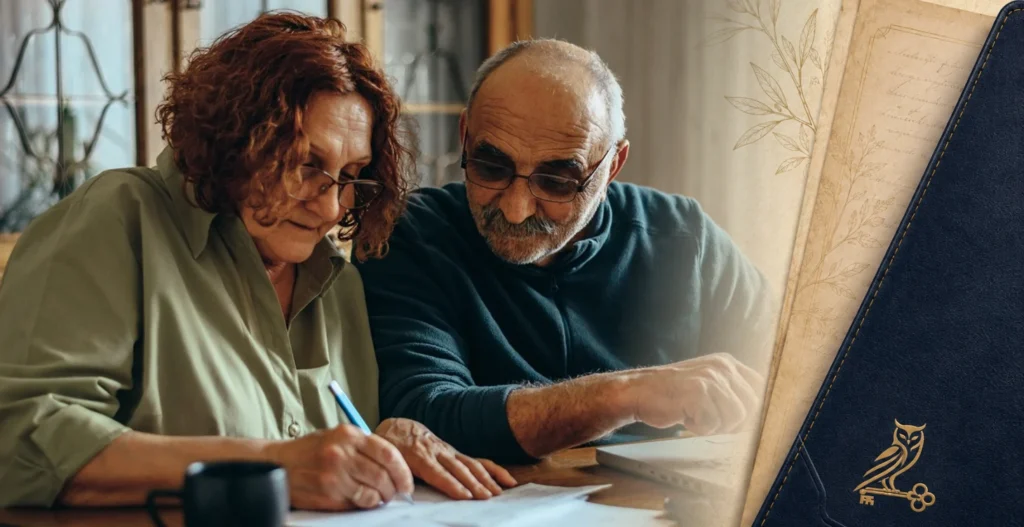
Older couple choosing a professional trustee after understanding what a trustee does and wanting to avoid placing the burden on family.

A Trustee Is Not Just Managing Assets

Yes, a trustee may need to oversee money, accounts, distributions, and property.

But that is only part of the job.

A trustee may also need to interpret your wishes, stay impartial between beneficiaries, communicate hard decisions, keep records, handle tax and legal responsibilities, manage pressure from family members, and make judgment calls in situations that are rarely as simple as everyone hoped they would be.

That is not a symbolic role.

It is real stewardship.

And it often happens at moments when the trustee is also grieving, emotionally taxed, or navigating a family that is already under strain.

Why Families Underestimate the Role

Families usually underestimate the trustee role because the title sounds administrative.

It sounds like paperwork.

It sounds like someone just needs to be responsible.

But the actual role is much more human than that.

A trustee may be the one explaining why a distribution is delayed.

They may be the one saying no when a beneficiary wants an early exception.

They may be the one answering questions from siblings who already feel tender, suspicious, confused, or hurt.

They may be the one coordinating with attorneys, financial professionals, accountants, or institutions while everyone else is still trying to emotionally catch up.

That is not a small ask.

And the more complex the family, the bigger the role becomes.

The Trustee Is Often Carrying Two Burdens at Once

This is one of the most overlooked truths in all of legacy planning.

A trustee is often carrying both a technical burden and a relational burden.

The technical burden includes the tasks.

Records. Compliance. Asset management. Timing. Communication. Follow-through.

The relational burden includes the people.

Grief. Family tension. Expectations. Pressure. Emotional projection. Misunderstanding.

A trustee may know exactly what the document says and still feel the strain of being the human face of a difficult decision.

That is why good trustee planning cannot stop at naming a person.

The person needs preparation too.

What a Trustee Actually Has to Do

In practical terms, a trustee may be responsible for things like:

Protecting and managing the assets in the trust.

Making distributions according to the structure and intent of the plan.

Keeping careful records and following legal and tax obligations.

Communicating with beneficiaries in ways that are clear and calm.

Seeking professional guidance when decisions require financial, legal, or tax expertise.

Handling conflict without becoming reactive or personal.

Staying faithful to the trust’s purpose, even when someone pressures them to do something easier in the moment.

That last one matters a lot.

Because some of the hardest trustee moments are not technical.

They are emotional.

The trustee knows what should happen.

But someone they love does not like it.

That is where the weight of the role becomes very real.

Love Alone Does Not Prepare Someone for This

A family member may be wonderful and still not be ready to serve well as trustee.

That is not criticism.

It is clarity.

The trustee role requires more than love.

It requires steadiness.

It requires impartiality.

It requires emotional intelligence.

It requires enough judgment to resist pressure, enough humility to ask for help, and enough resilience to keep going when the family dynamic gets complicated.

That is why many trustee problems do not come from bad intentions.

They come from underestimating the role.

A family names someone who means well but has never truly understood what the role asks of them.

Then later, everyone is surprised by how hard it feels.

Why a Trustee Should Understand the Role Before Saying Yes

One of the healthiest things a family can do is let a proposed trustee review the role before the decision is locked in emotionally.

Not after death.

Not in the middle of a crisis.

Beforehand.

A good trustee should know what is expected.

They should understand the duties, the likely pressure points, the emotional burden, and the support available.

They should be allowed to ask honest questions.

They should be allowed to say yes with clarity.

And they should also be allowed to say no.

That matters more than families think.

Because someone who serves reluctantly, guiltily, or without real readiness is not being set up for success.

A Trustee Also Needs Support

The best trustee planning does not assume one person must carry everything alone.

Sometimes a co-trustee structure makes sense.

Sometimes a financial professional should be involved.

Sometimes oversight is wise.

Sometimes the family member needs a guide, a packet, a worksheet, or a conversation that gives them context instead of leaving them to figure everything out later.

This is one of the reasons trustee preparation matters so much inside Legacy Lock.

Families need more than a name.

They need a process.

They need a way to think through the choice, explain the role, and equip the person before that person is under pressure.

The Trustee Role Is Bigger Because Legacy Is Bigger

At the deepest level, a trustee is not just administering property.

They are helping protect the meaning attached to it.

They are carrying forward a plan that was supposed to reflect love, intention, protection, and wisdom.

That is why trustee work can feel sacred, heavy, and complicated all at once.

It is not just about assets.

It is about the people those assets are meant to serve.

And when families fail to prepare a trustee for that reality, they often hand someone a burden disguised as an honor.

A better process gives that person clarity instead.

The Right Trustee Conversation Changes Everything

This is why families should talk early.

Explain why the person is being considered.

Walk through the structure of the plan.

Share the heart behind the decisions.

Clarify what support exists.

Let the person see the role in plain English, not only in legal language.

That one conversation can prevent years of confusion later.

Because a trustee who understands the role is far more likely to serve with steadiness than one who only inherited a title.

Call to Action

If this article made you realize the trustee role is much bigger than most families assume, start with the Trustee Guide.

It gives you a plain-English way to think about the responsibility before you name someone too quickly. Then, if you want to take the next step, use the Trustee Appointment Worksheet and Trustee Rights & Responsibilities Guide inside the Legacy Lock Toolkit so your proposed trustee can review the role, ask questions, and even formally accept or decline before assumptions turn into pressure.

And if you want calmer education before the bigger decisions, Aging With Clarity (our free community) gives families practical guidance for trustee conversations, warning signs, and next steps long before anything becomes urgent.

Download the Trustee Guide
Get the Legacy Lock Toolkit